





Kelly Wearstler's collaboration with H&M HOME debuted during Milan Design Week, introducing furniture within a designer collaboration for the first time. Organized around the ideas of modularity and daily ritual, the collection considered how objects shift, expand, and recombine in response to use, time, and space.
Kelly Wearstler's collaboration with H&M HOME debuted during Milan Design Week, introducing furniture within a designer collaboration for the first time. Organized around the ideas of modularity and daily ritual, the collection considered how objects shift, expand, and recombine in response to use, time, and space.
PALAZZO ACERIBI
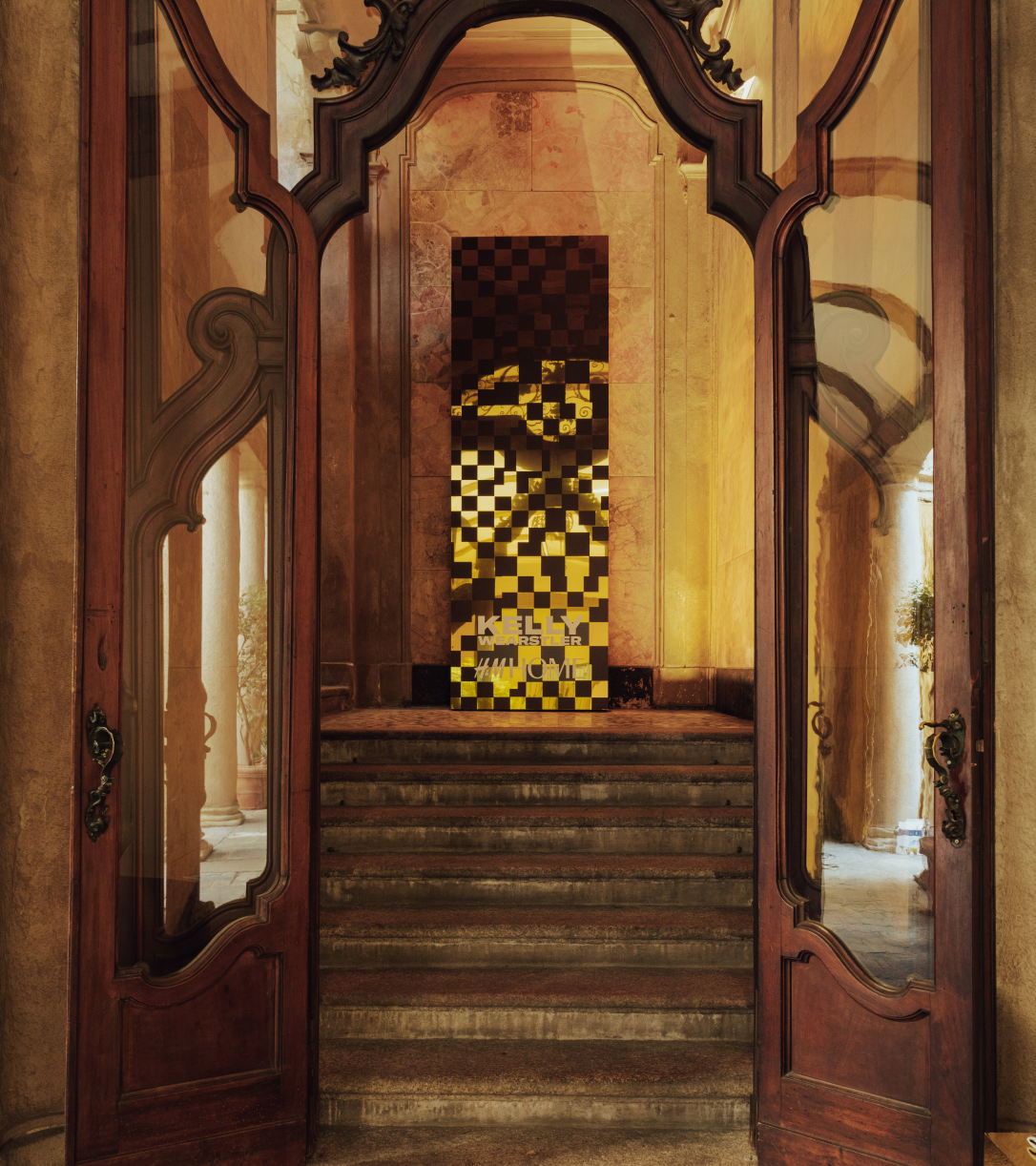
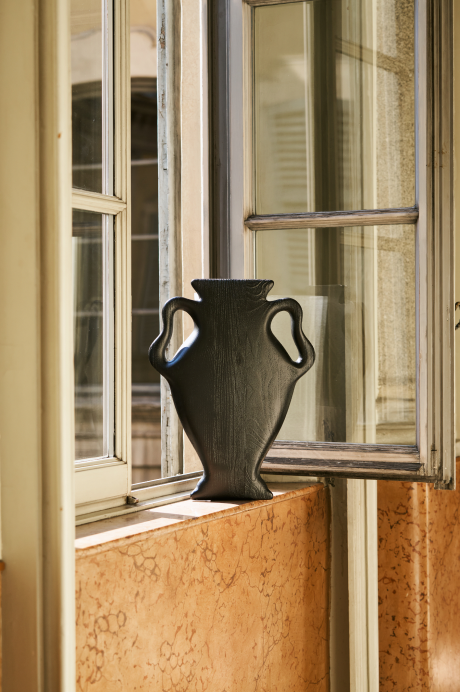
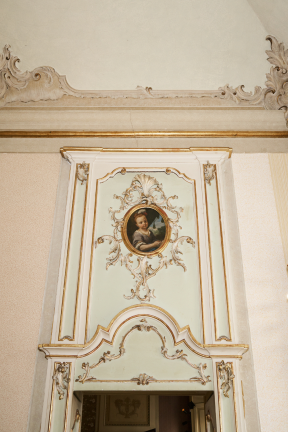
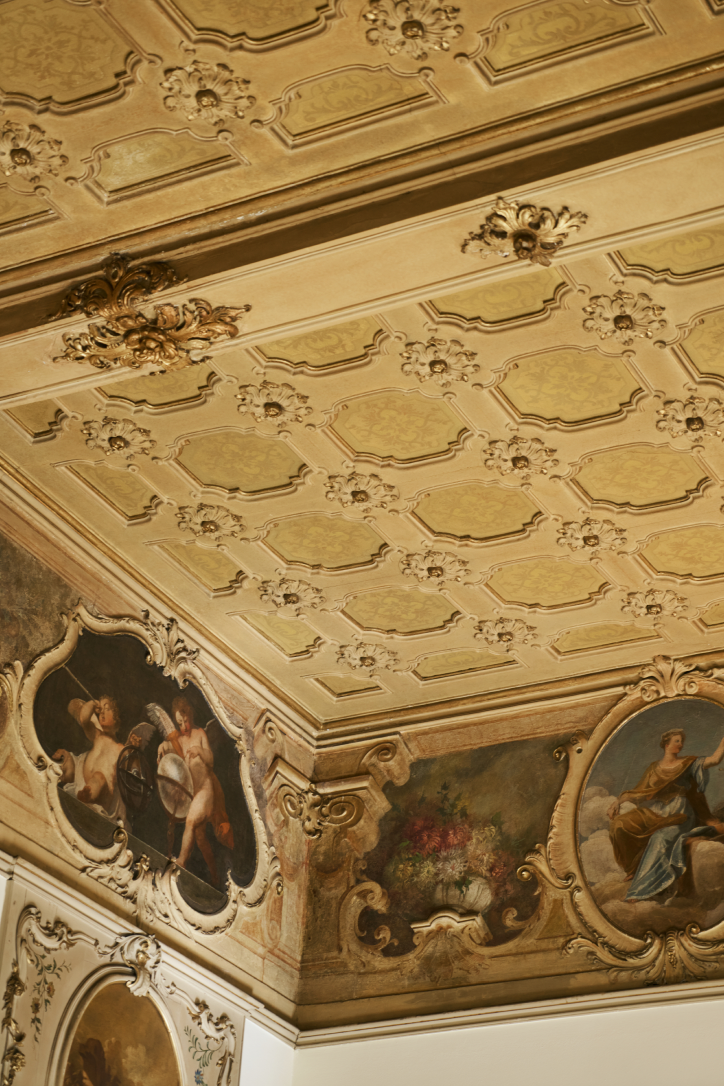
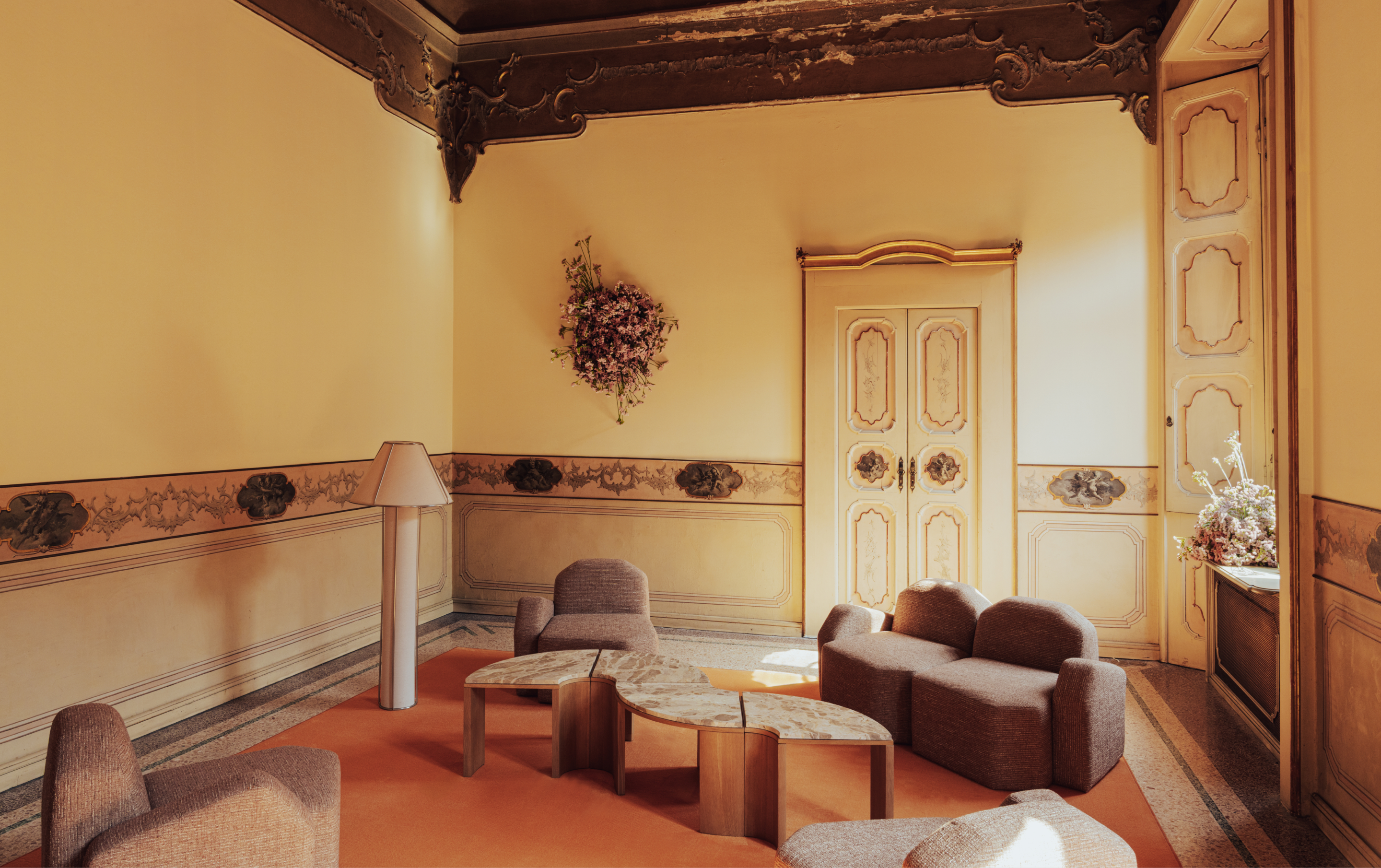
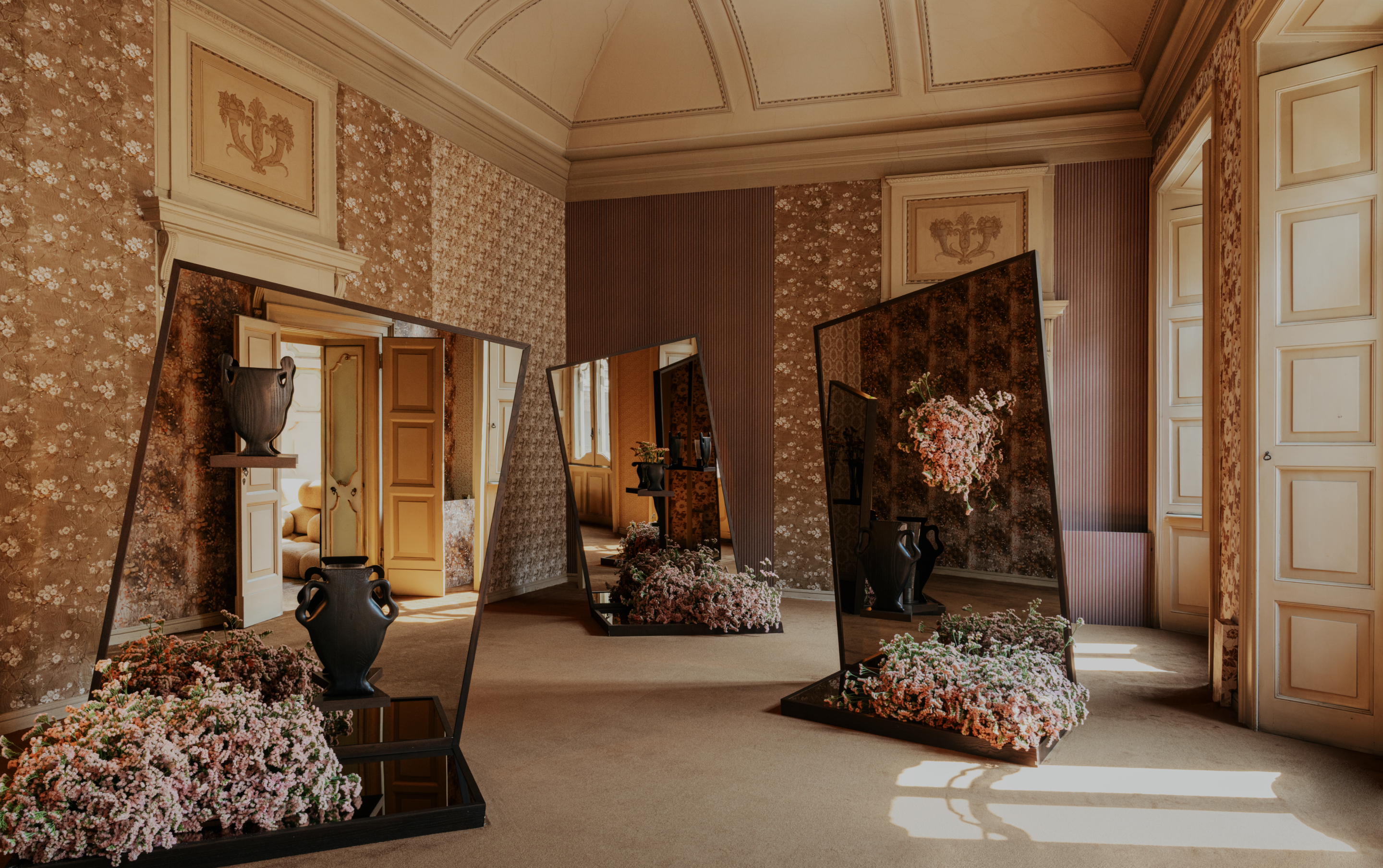
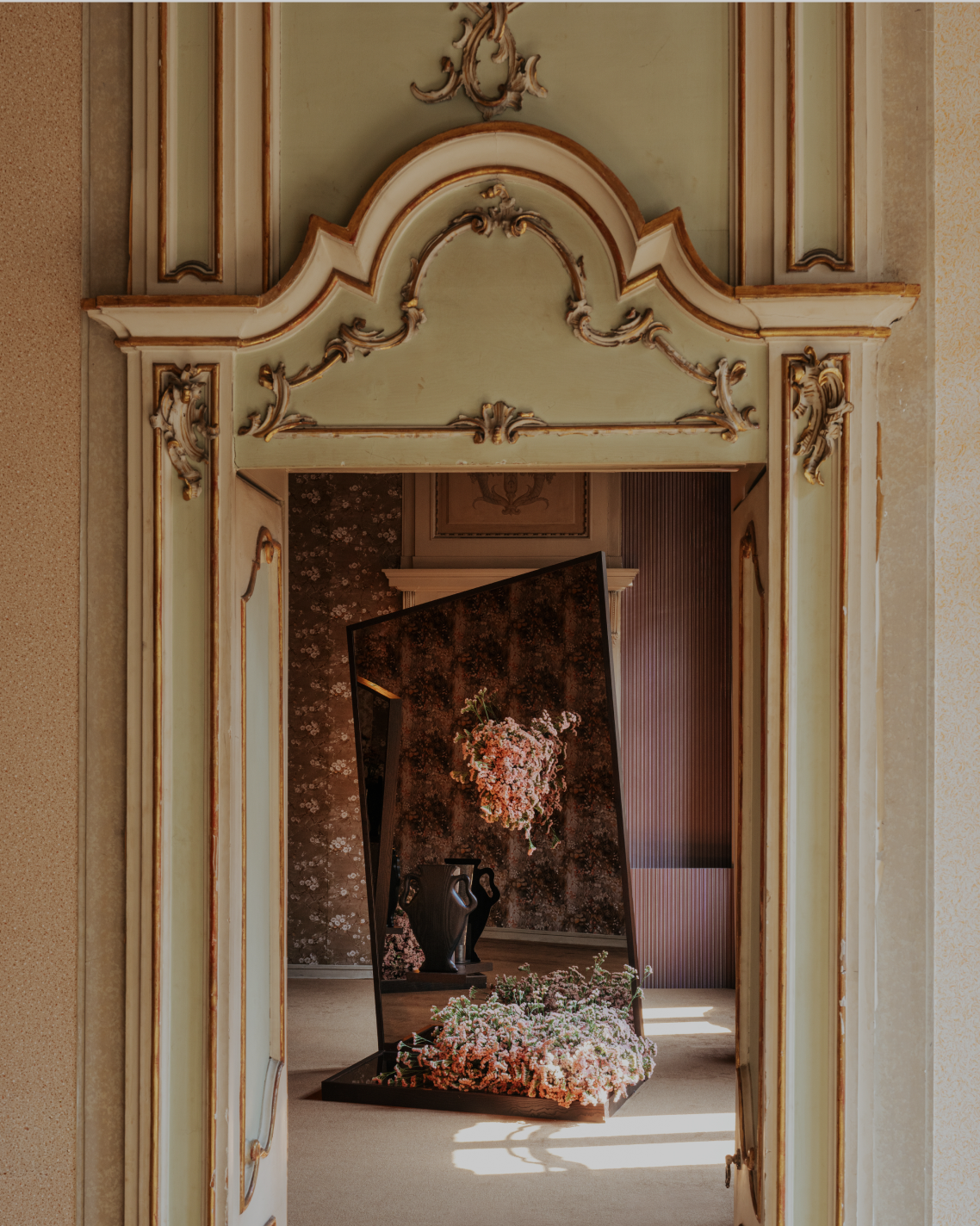
Palazzo Acerbi wasn't a backdrop so much as a collaborator. Its frescoed ceilings, worn thresholds, and improbable proportions brought their own point of view. The installation occupied the space as a conversation between past and present.
THE VISION
The exhibition unfolded as a sequence of rooms shaped by changing arrangements, materials, and scale. A chair became a grouping; a lamp became a procession. Objects resurfaced in new contexts, revealing how repetition can generate transformation.
THE COURTYARD
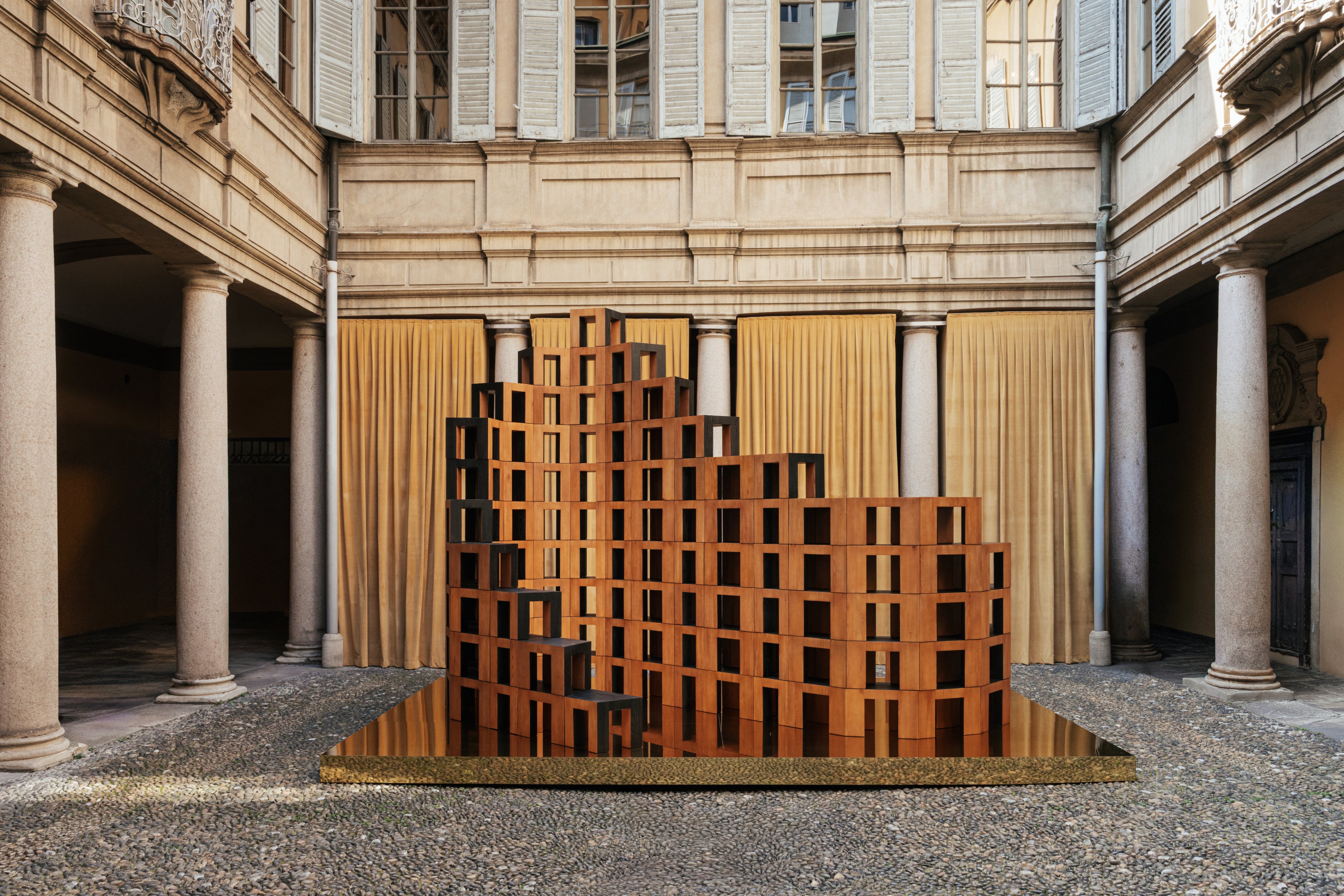
The journey began in the courtyard with a gesture toward Aldo Rossi. From there, the exhibition unfolded as a progression of rooms, each with its own material vocabulary, cadence, and sense of place.
DRESSING ROOM
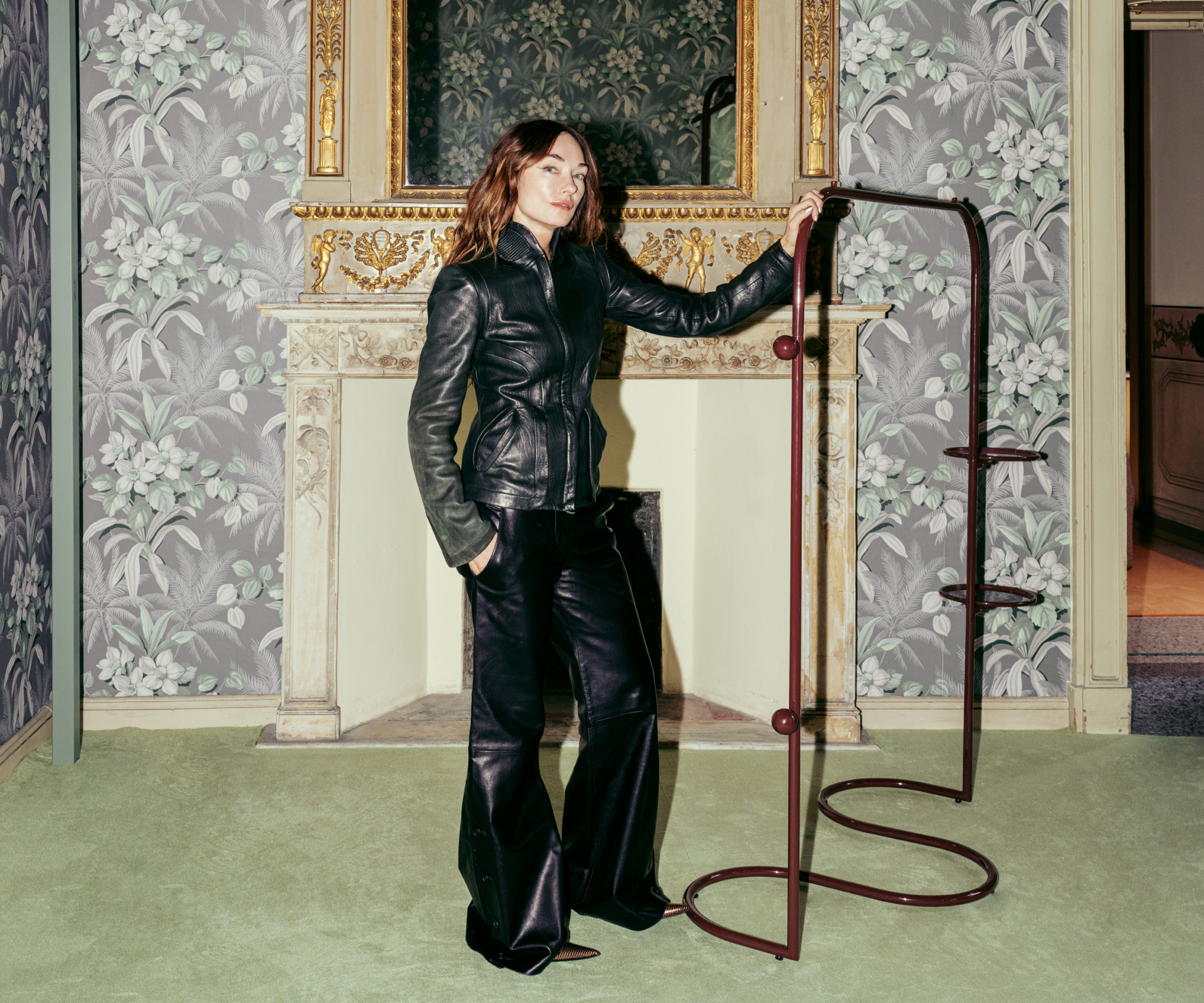
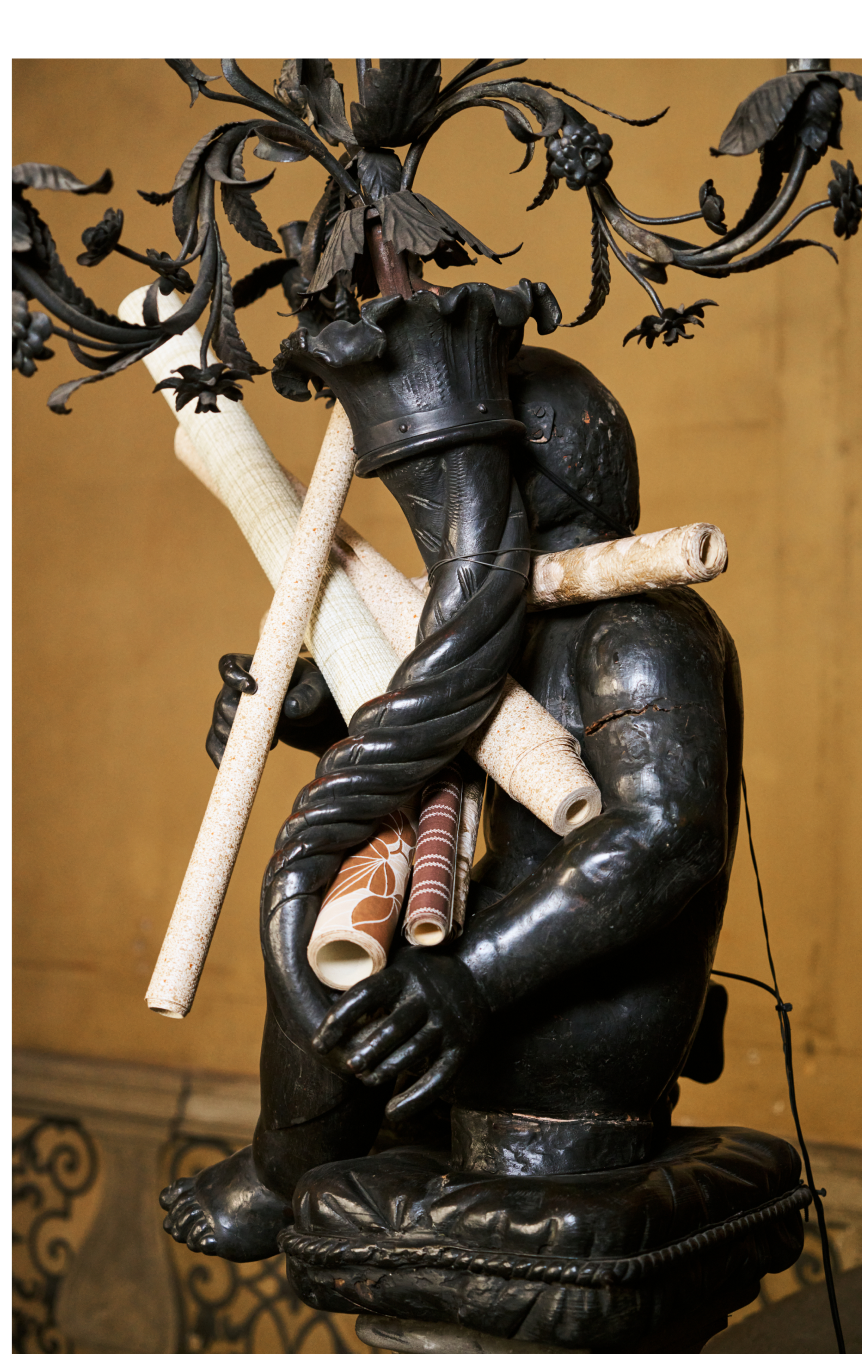
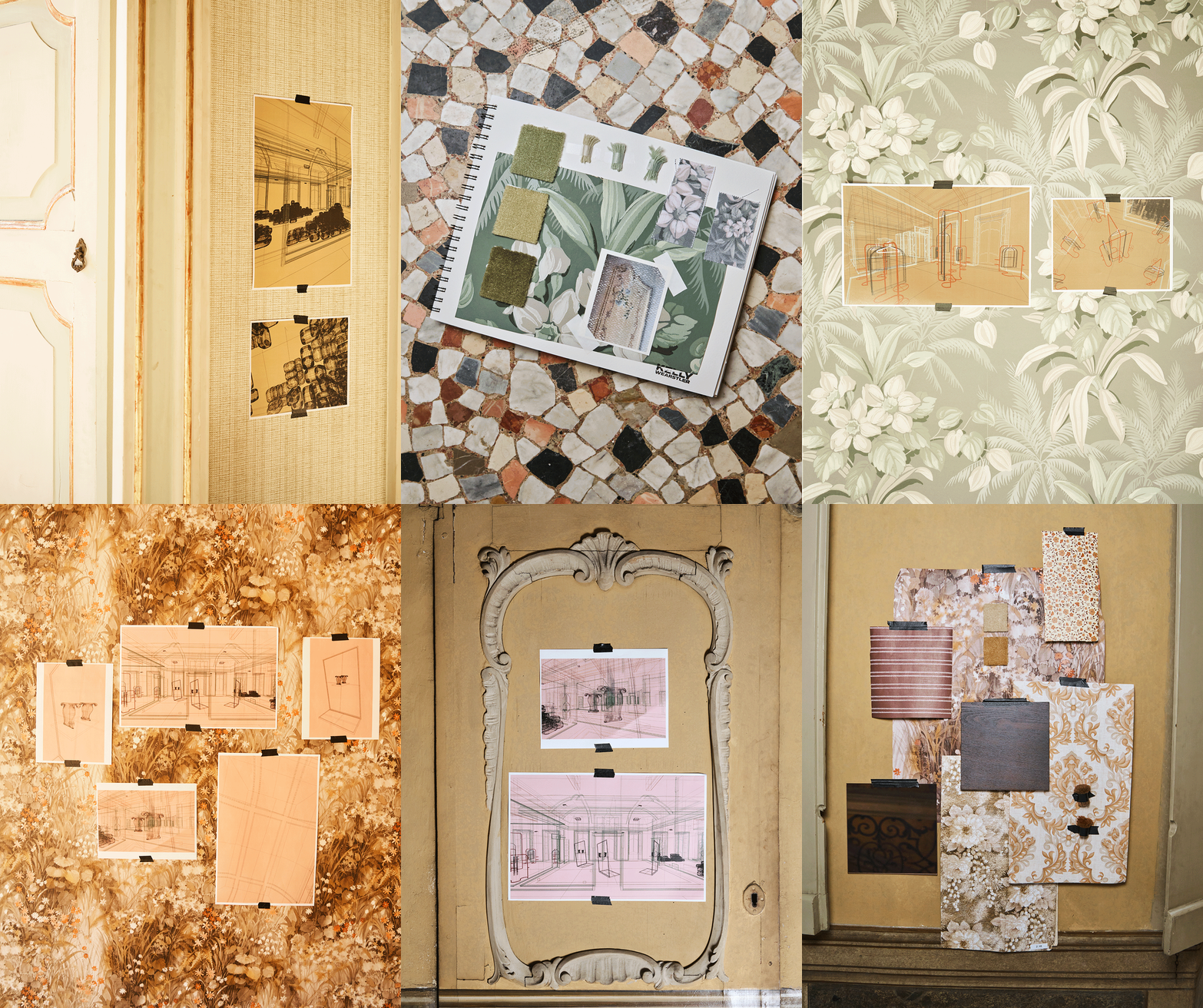
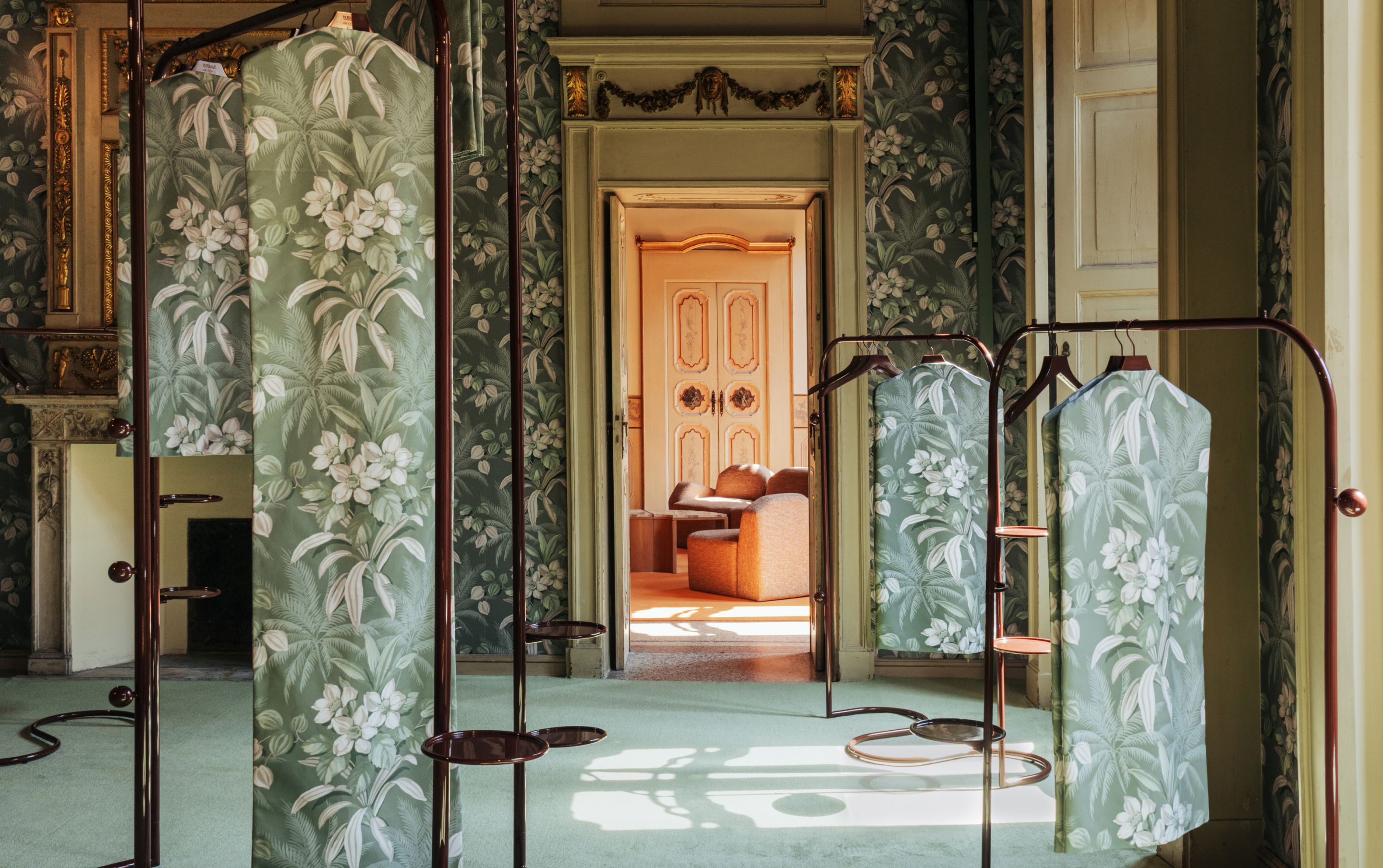
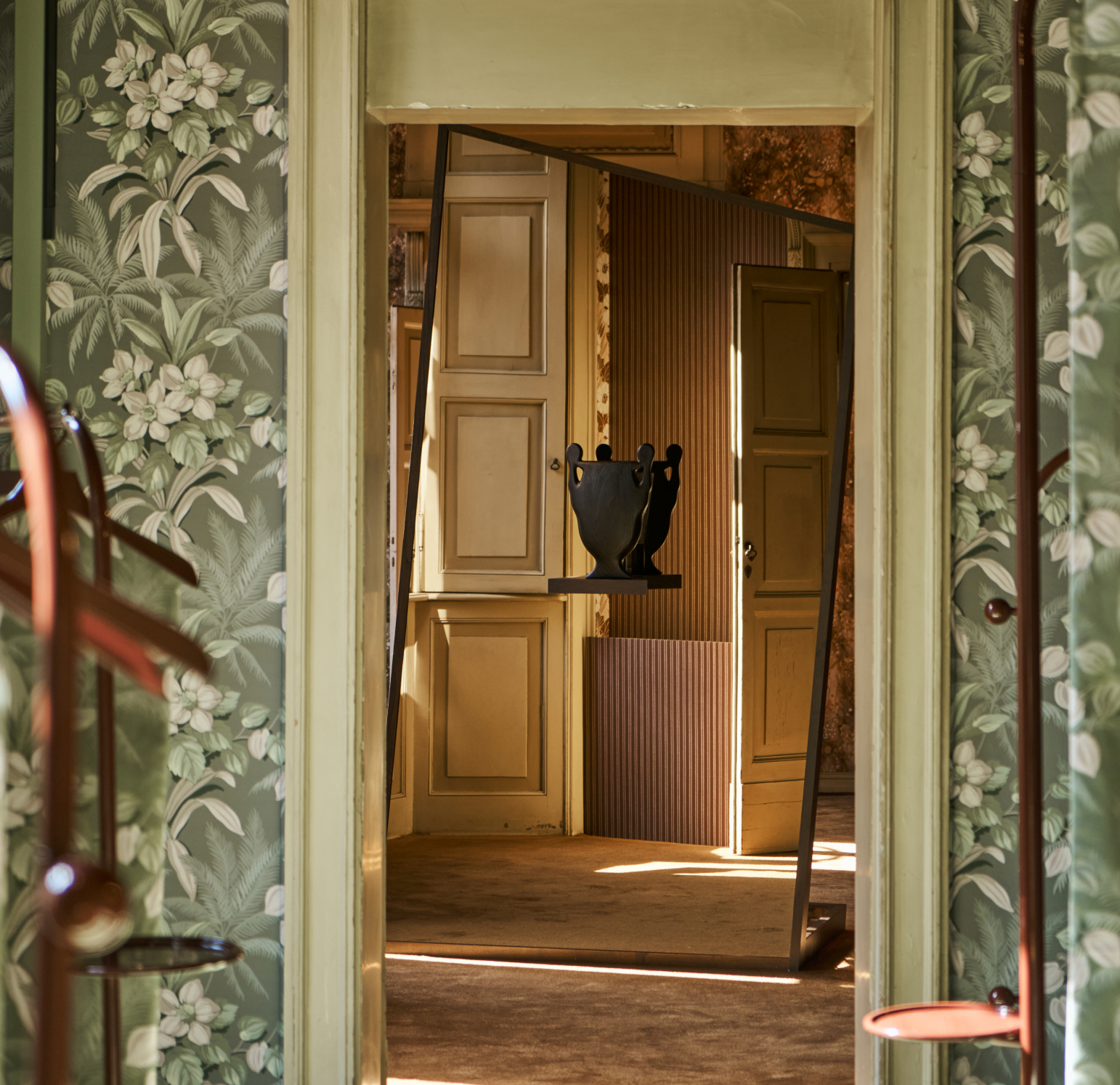
A room devoted to the daily ceremony of getting dressed. Vintage wallpaper anchored the space while the Mona Clothing Rack repeated throughout the installation; part furnishing, part architecture. Modularity emerged through rhythm, repetition, and the choreography of getting dressed.
SHAPE SHIFT
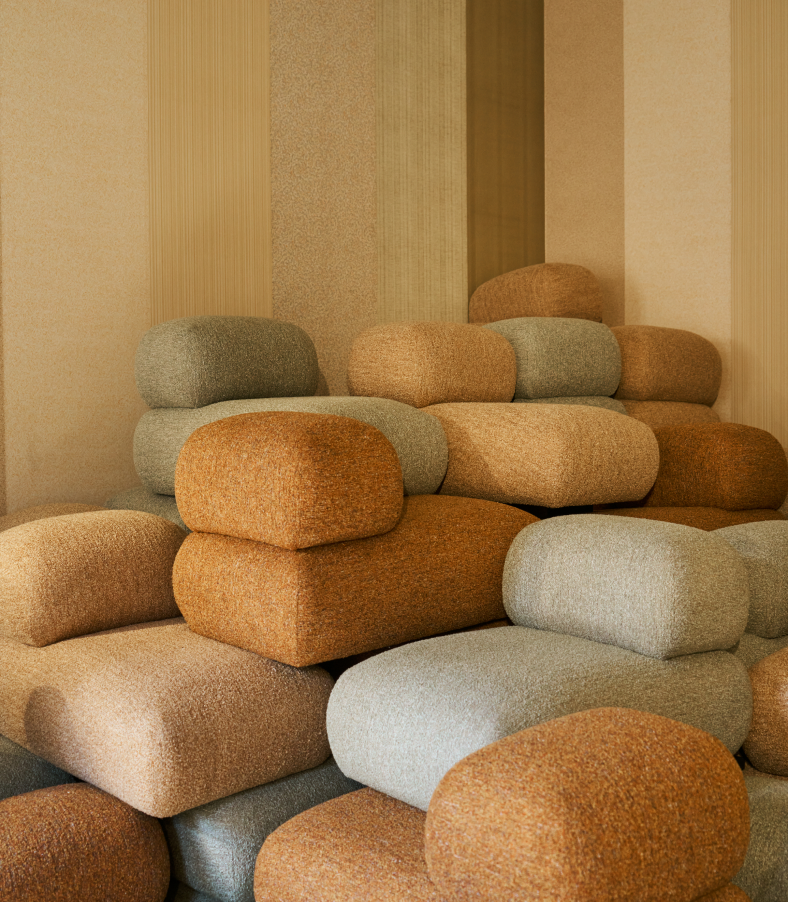
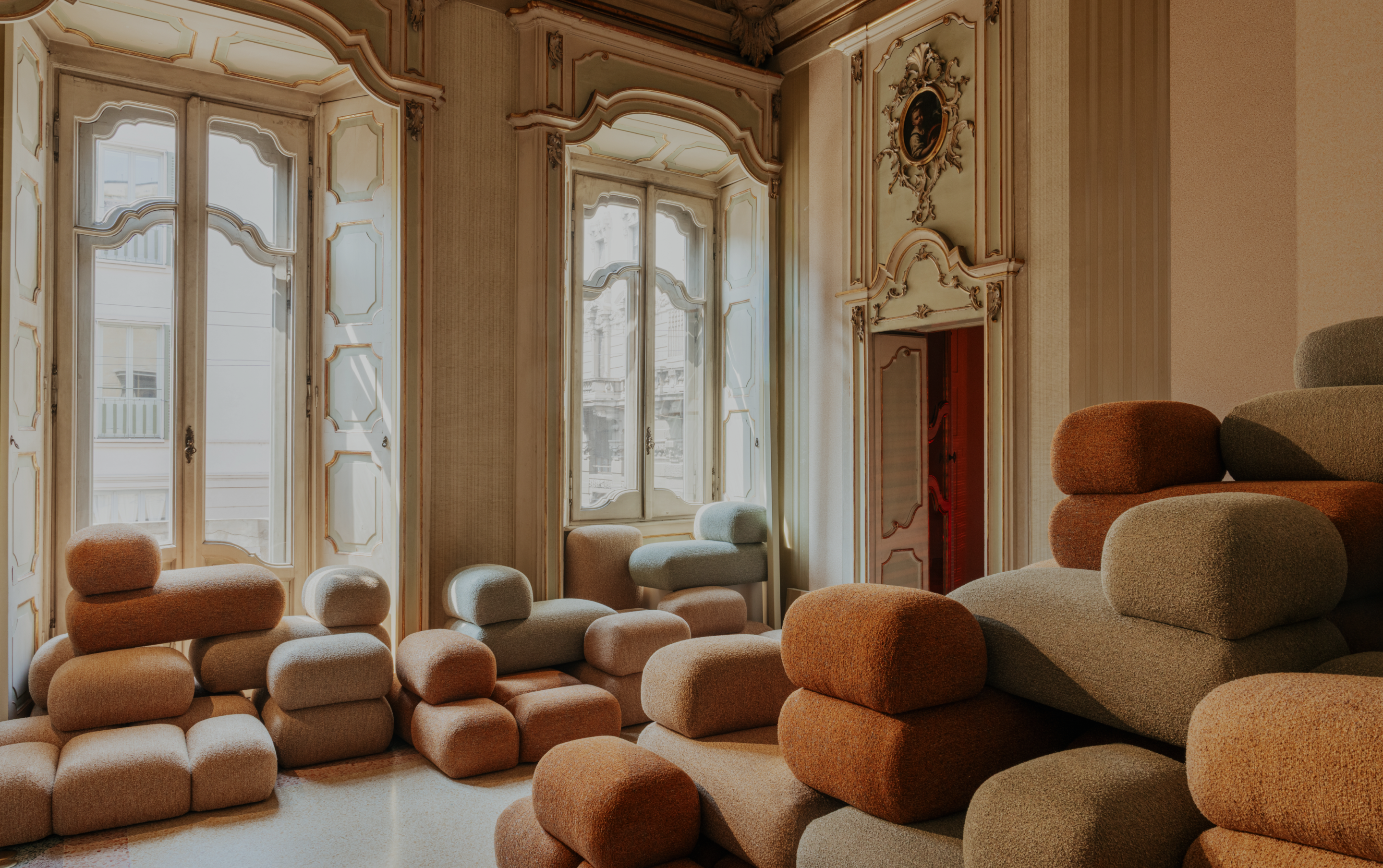
The Soluna Lounge Chair and Poma Accent Chair gathered, dispersed, and regrouped. The arrangement suggested a room in motion, demonstrating how furniture can adapt to changing needs and spatial conditions.
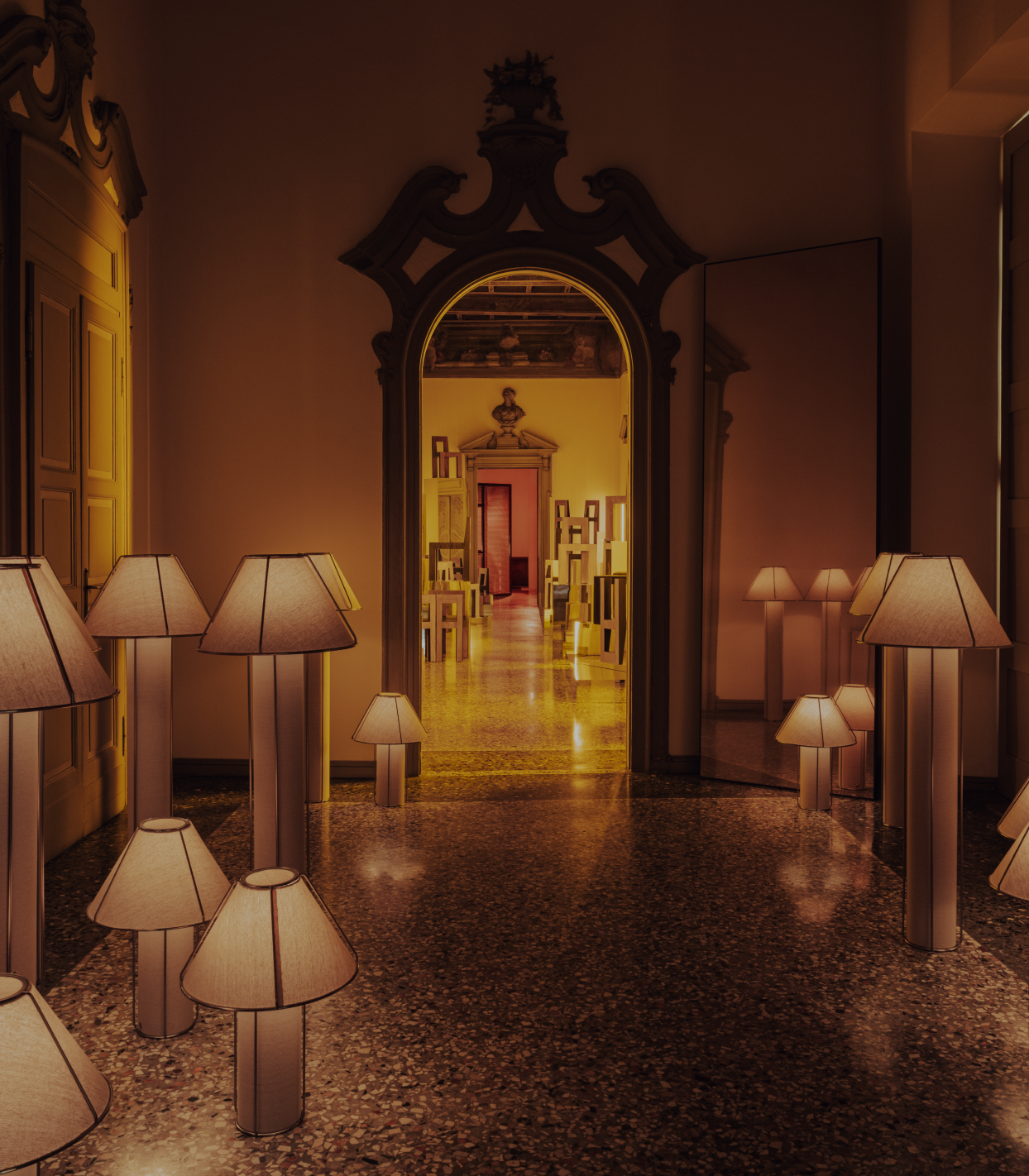
ILLUMINATED STRUCTURE
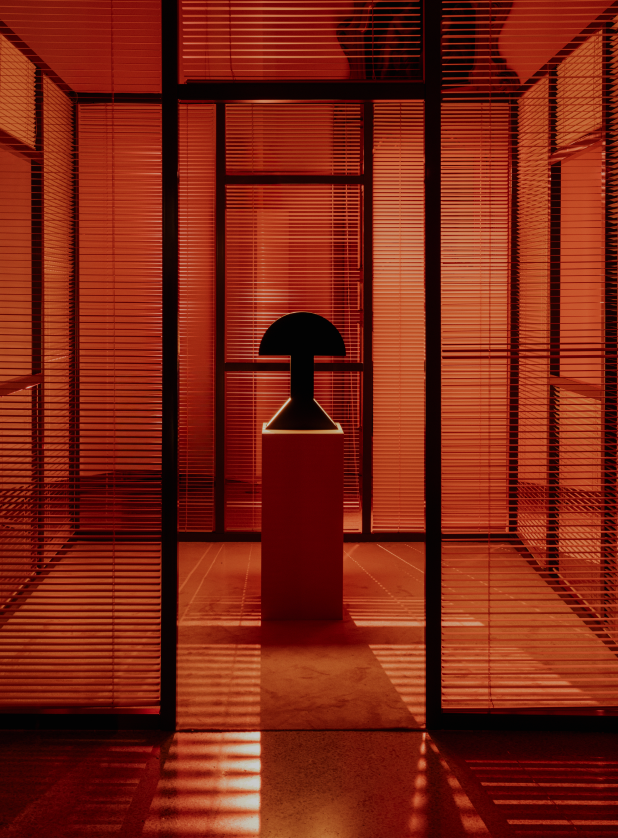
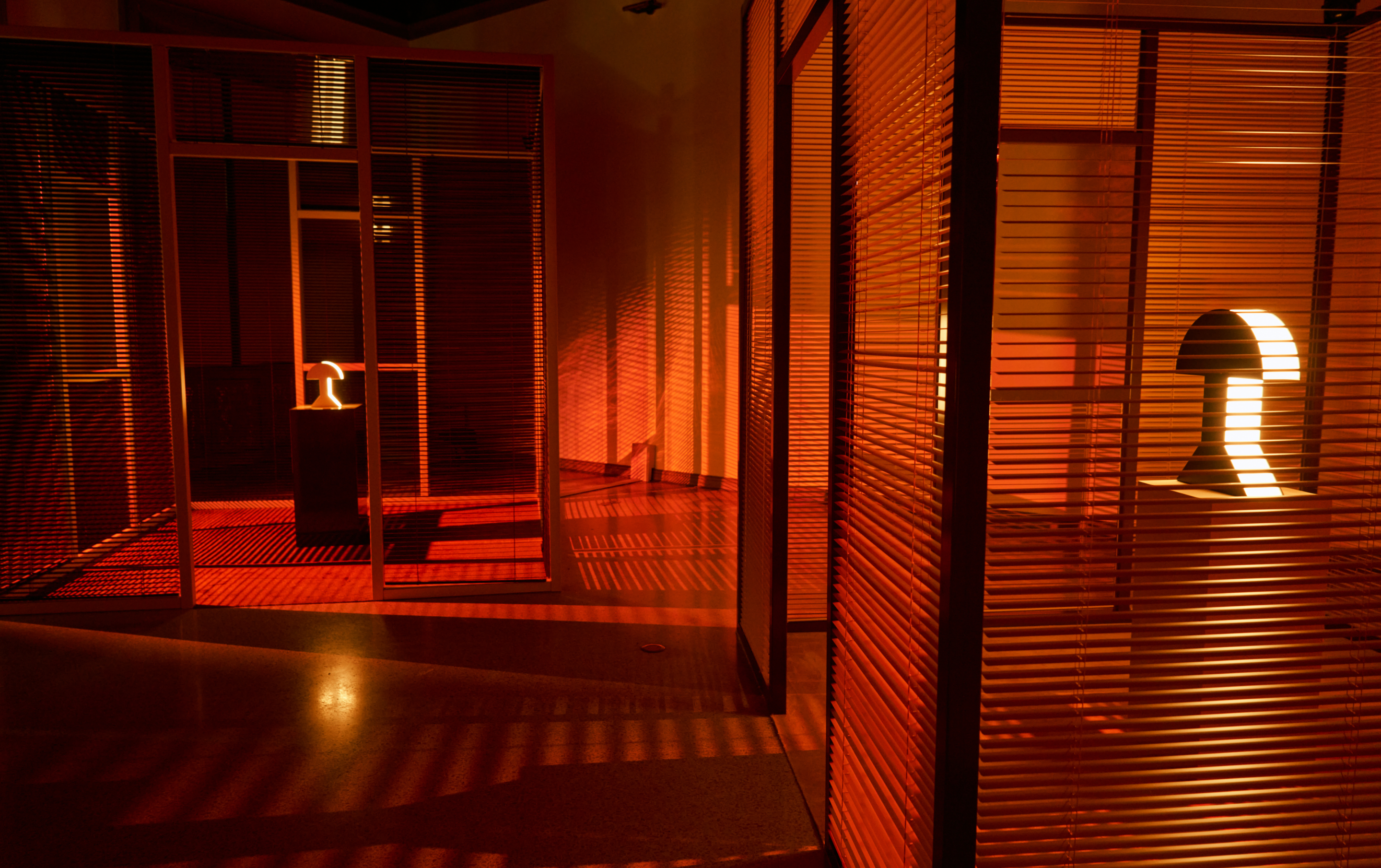
Repeated throughout the room, the Aurex Table Lamp transformed illumination into structure, creating unexpected alignments between furniture, architecture, and shadow.
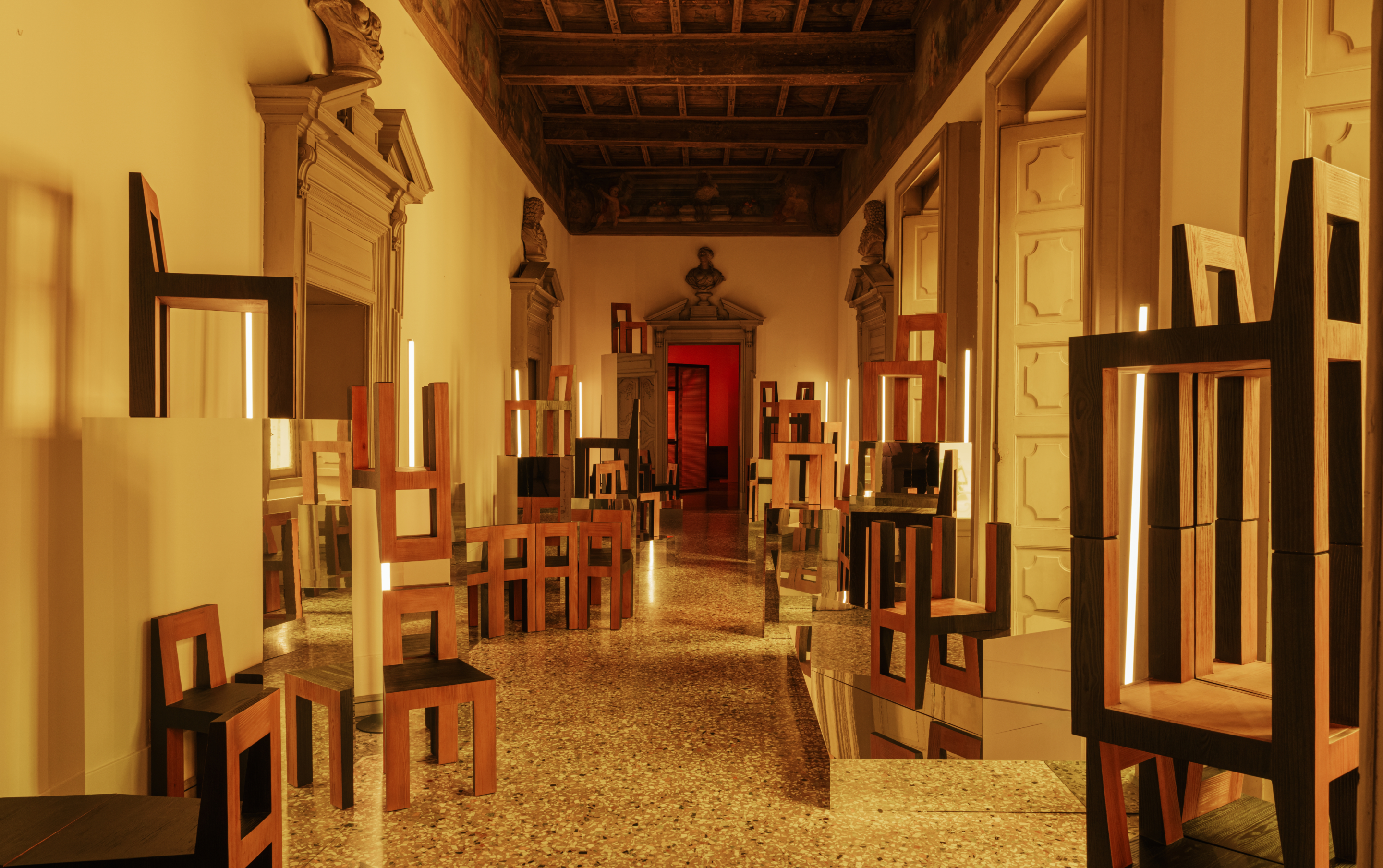
IN SYMPHONY
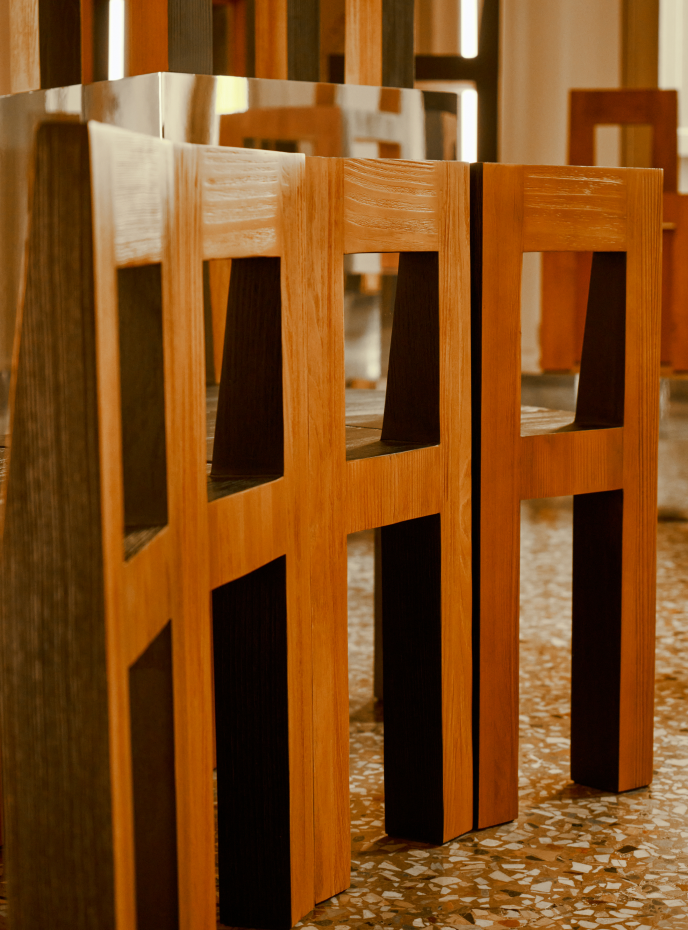
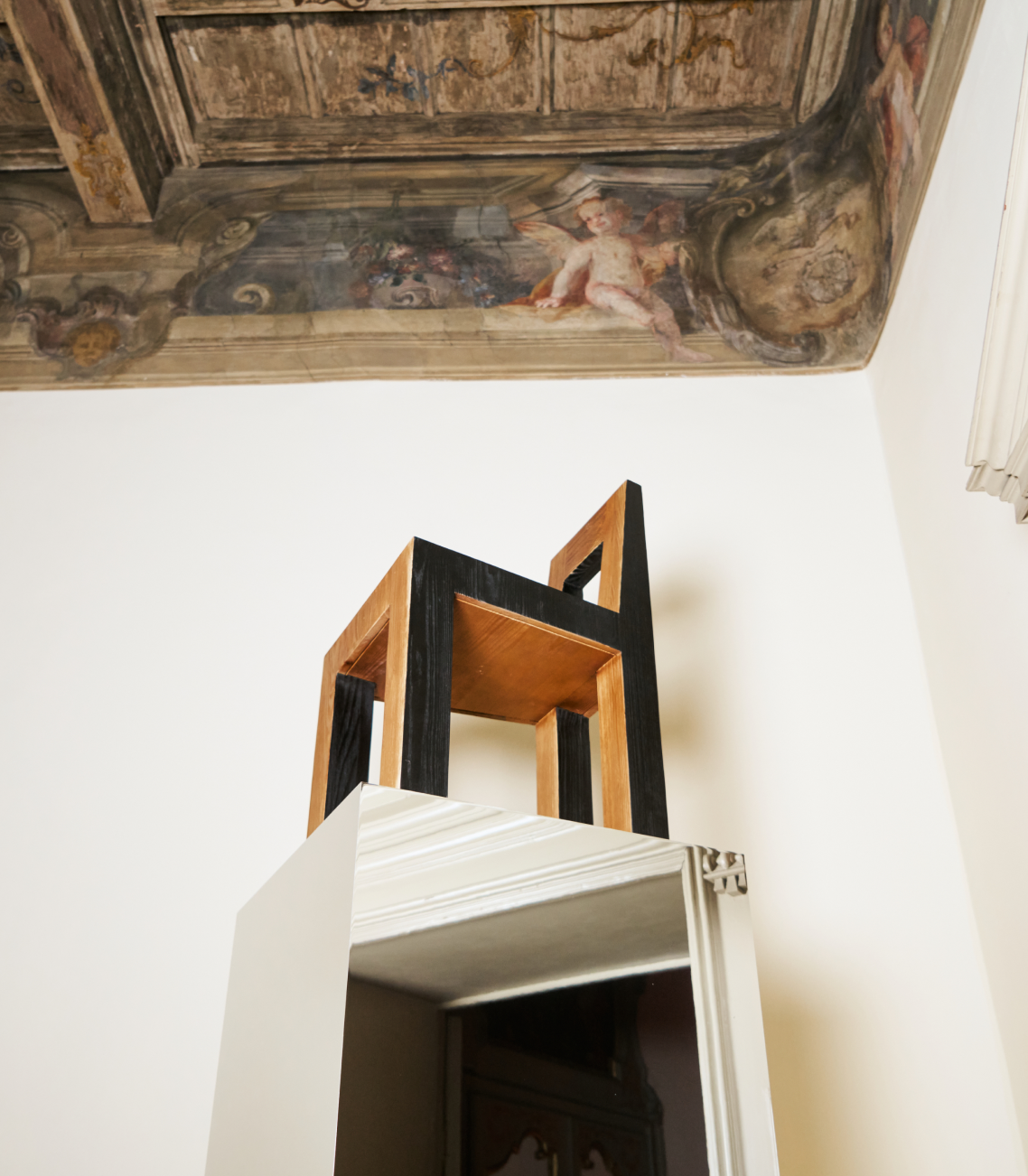
The Noxen Chair appeared throughout the room in recurring arrangements. Not duplication, but variation. With each reappearance, shifts in scale, grouping, and perspective revealed new relationships between form, material, and craftsmanship.
SHADOW PLAY
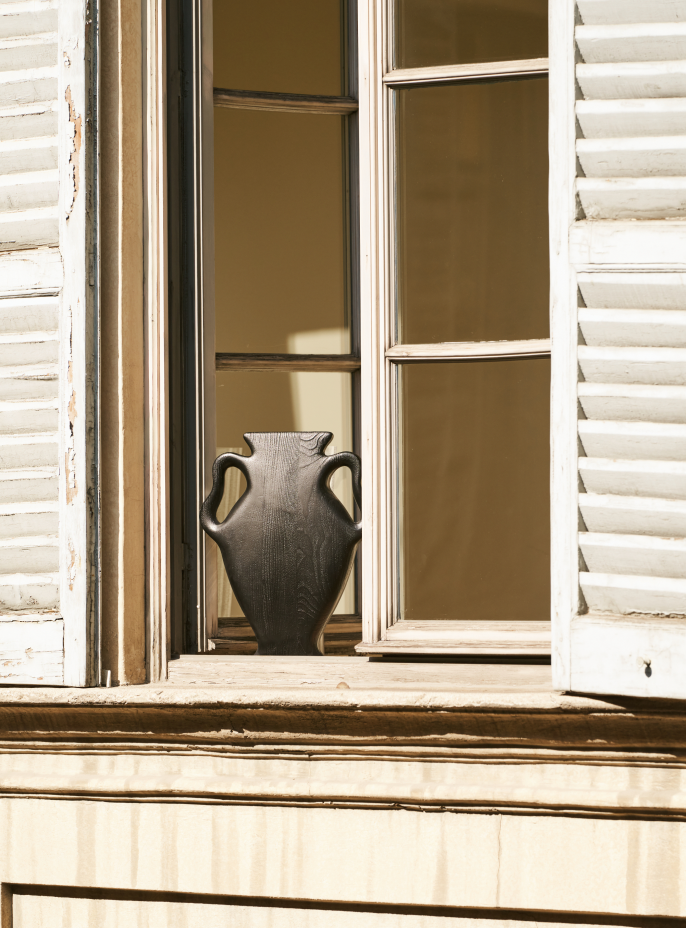
Light entered through the louvers and dispersed into shifting patterns across the room. Architecture provided the structure; illumination supplied movement, revealing how atmosphere can transform familiar forms.